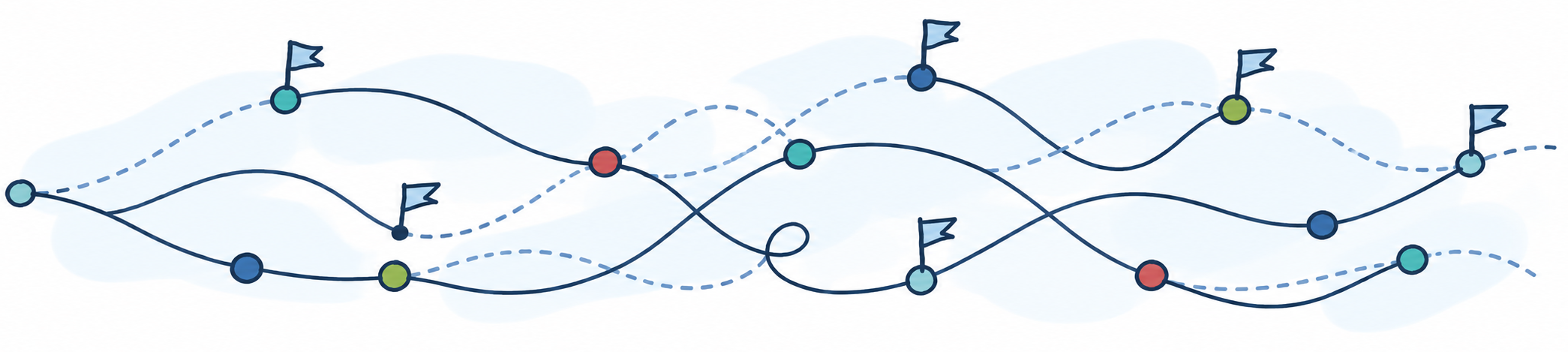
Organizations often change a lot without changing much.
New strategies. New structures. New initiatives.
Different language. Familiar outcomes.
It’s not that people aren’t trying. Organizations are complex systems, and what we change on the surface often leaves the underlying patterns intact.
Scroll to explore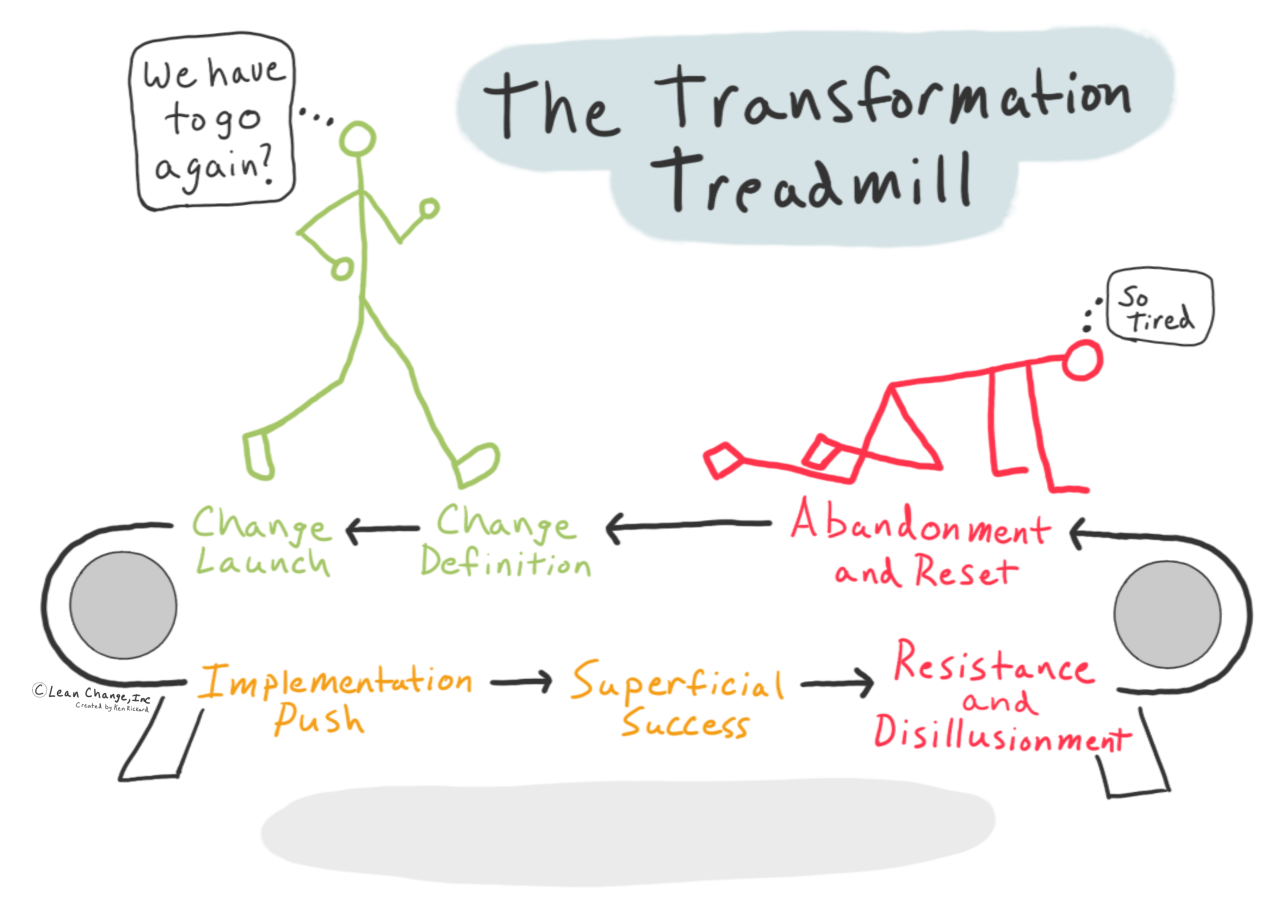
01Why familiar patterns persist
We changed the tools and the process. What else is shaping the work?
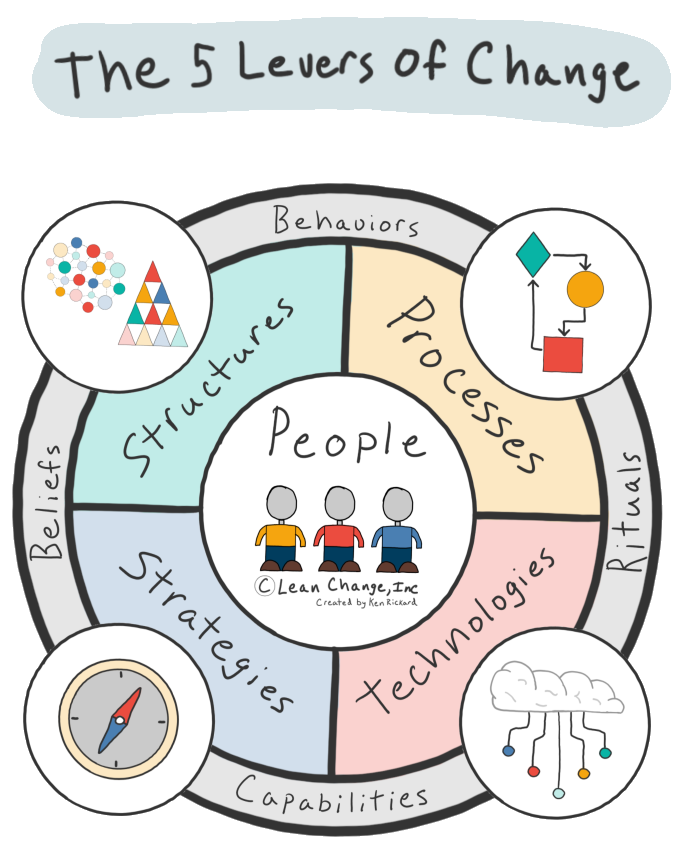
A new platform. A redesigned process. These are often where we put our energy, because they’re easier to point to and plan around.
But people, strategies, and structures are part of the picture too. So are the beliefs, behaviors, rituals, and capabilities that shape how those levers interact. The new process meets the same pressures, and familiar ways of working return.
02Understanding behavioral patterns
What keeps pulling us back into familiar ways of working?
The priorities we reward, the decisions we delay, the workarounds we rely on. Patterns take shape through everyday interactions, often without anyone choosing them.
The Vortex of Behavioral Patterns gives us a way to explore those dynamics. It’s a lens for noticing what we put into the system, what we get out, and what we might be taking for granted.
Explore the bigger picture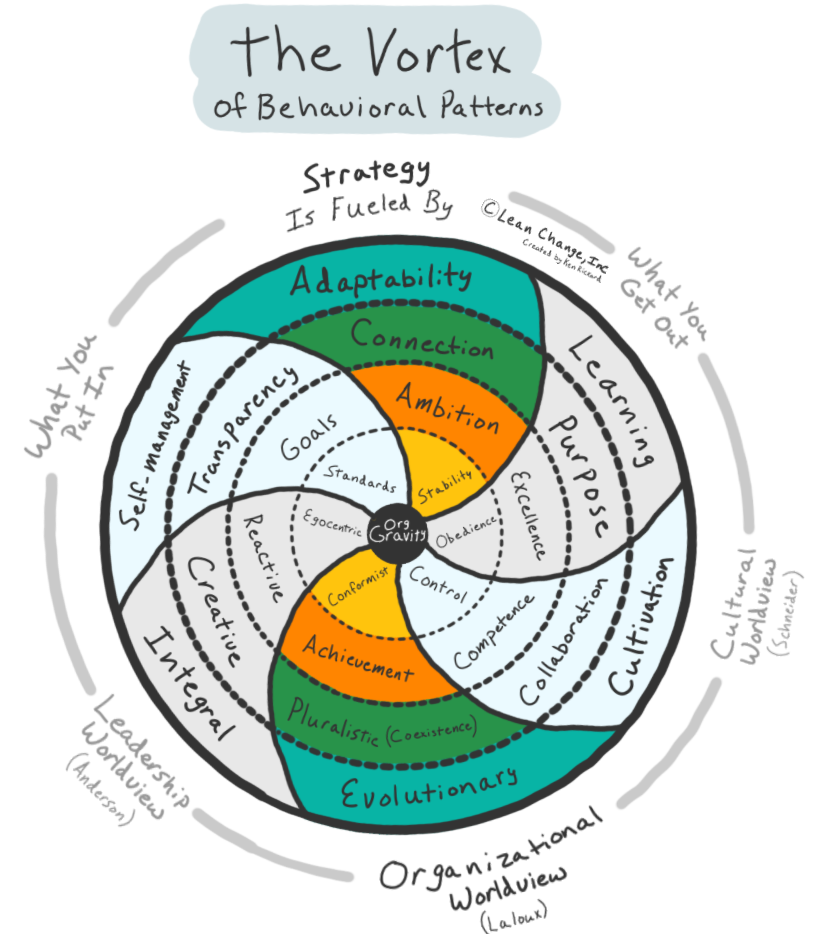
03Make sense together
Gather what’s happening.
See it from more angles.
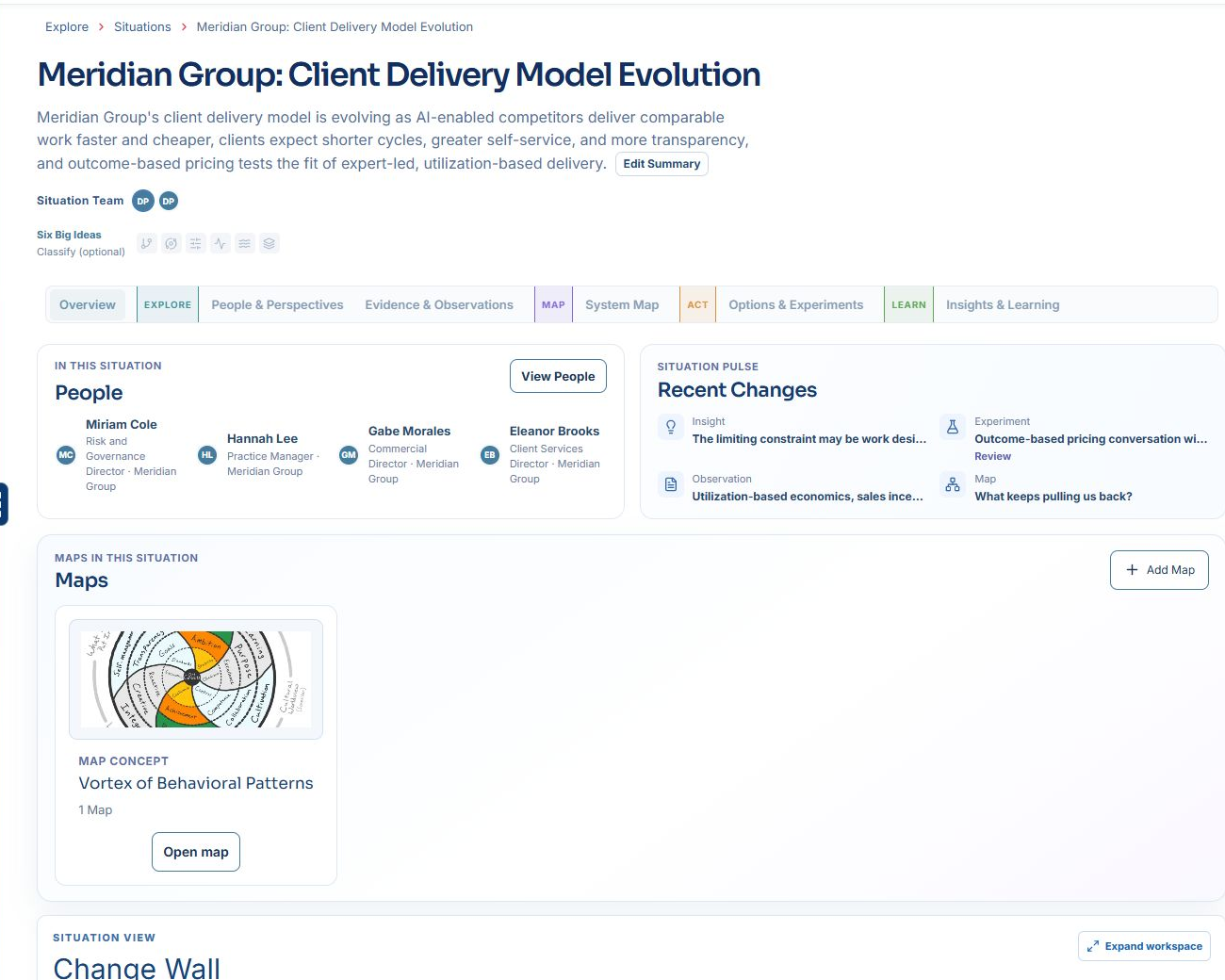
Evolvement.work helps you bring together observations, perspectives, and evidence, so you can see more of what’s really going on — not just what’s visible from where you sit.
- Capture multiple perspectives
- Surface what matters
- Notice emerging patterns
04See relationships, not just parts
Real insight comes from seeing how things connect.
A map can help us notice relationships, tensions, assumptions, and possibilities. What looks like a people problem might involve how decisions get made. A recurring delay might reveal competing priorities.
A map won’t hand us the answer. It gives us more to question together.
Take a closer look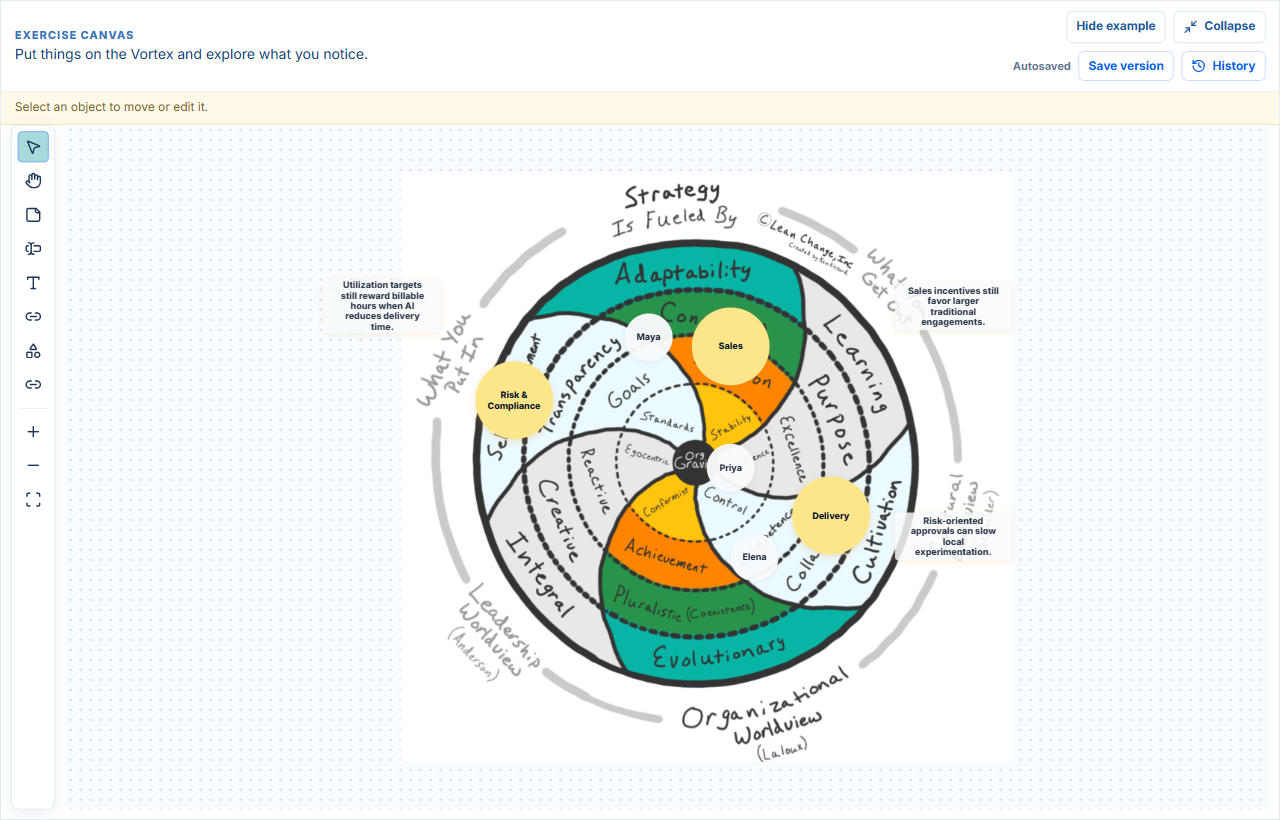
05Move with intention
From understanding
to action.
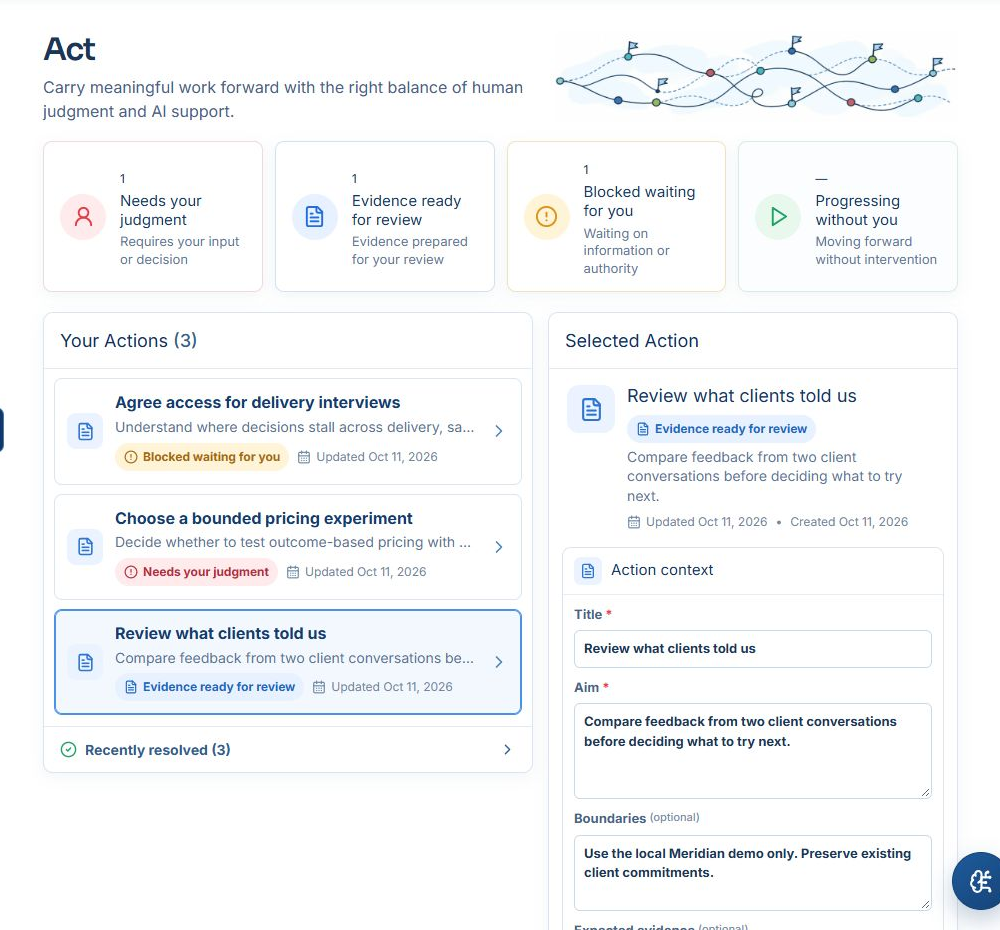
Better insight leads to better choices. Evolvement.work helps you carry what you’re learning into options, experiments, and actions — and keep learning as your organization evolves.
- Explore and compare options
- Plan bounded experiments
- Learn from what happens
06Keep making sense together
Transformative change is messy, and challenging to unravel.
There are detours, surprises, and things we can’t fully understand in advance. What we learn may change what we try next.
Evolvement.work gives that ongoing conversation a place to live: to notice, question, experiment, and keep learning together.